
Our Strategy & Vision
Community Empowerment for Sustainable Development (CESUD)
Our Vision
To cultivate a world where empowered communities and social equity drive local solutions for climate resilience, environmental hygiene, holistic health, and the protection of the girl child, teen mothers, and orphans, ensuring a future of sustainable food security and dignity for all.
Our Mission
To catalyze sustainable transformation by placing community agency and social equity at the heart of our operations, ensuring that marginalized populations — particularly the girl child, teen mothers, and orphans — are empowered to lead their own development in health, education, circular waste management, climate resilience, and food security.
Our Objectives (The Strategy)
To achieve our mission, CESUD pursues seven strategic objectives designed to foster self-reliance and systemic change:
- Enhance Socio-Economic Resilience: Empowering 10,000+ households through the "Lead Farmer" model and table banking to ensure financial independence and food sovereignty.
- Champion Inclusive Child Welfare: Reducing school absenteeism by 30% among orphans and the girl child by eliminating "dignity barriers" like menstrual poverty and lack of school essentials.
- Foster Climate-Smart Adaptation: Restoring local ecosystems and soil health by integrating indigenous knowledge with modern conservation agriculture and school-based environmental stewardship.
- Advance Holistic Adolescent Health: Improving life outcomes for school-going youth by providing comprehensive reproductive health education and STI/HIV awareness to combat early pregnancies and school dropout rates.
- Build Circular Waste Systems: Promoting community-led waste segregation, organic composting, and plastic upcycling to create "clean-school" environments and green income streams.
- Reintegrate Teen Mothers & Protect Infants: Operationalizing national school re-entry guidelines by restoring the educational, mental, and physical agency of adolescent mothers while safeguarding the first 1,000 days of their infants.
- Build Sustainable Community Engines: Transitioning community mindsets from "aid-dependency" to "local agency," ensuring that development initiatives continue to thrive long after formal project cycles end.
Our Core Values
Community Agency (Self-Reliance)
"We move from aid to agency."
We believe that the best solutions are local. We don't just provide "charity"; we empower lead farmers, young mothers, and families with the tools (like seed banking and table banking) to lead their own development.
Radical Integrity
"Transparency in every shilling and every action."
Rooted in our history of managing multi-million-shilling projects (like Pro-Soil), we uphold the highest standards of financial transparency and ethical conduct. Our donors and communities can trust our word and our ledger.
Holistic Dignity
"Restoring dignity, one child and one household at a time."
We recognize that food security is meaningless if a girl child or an adolescent mother cannot attend school with dignity. We treat every beneficiary—especially orphans, teen mothers, and children with disabilities—with the respect and psychosocial support they deserve.
Adaptive Resilience
"Resilient systems for a changing climate and society."
Just as we teach climate-resilient farming, our organization is adaptive. We evolve our strategies based on the "silent crises" we witness on the ground—such as the sudden educational exclusion of pregnant teenagers—ensuring our programs remain relevant to the community's changing needs.
Sustainable Stewardship
"Committed to impact that lasts beyond the funding."
Our commitment doesn't end with a project cycle. Our history of volunteer follow-ups since 2020 proves that we are lifelong stewards of the environment and the people we serve.
The S.E.E.D. Principle
CESUD summarizes these values as the "S.E.E.D.": Stewardship, Empowerment, Equity, and Dignity.
Historical Background & Evolution
Founding & The "Pro-Soil" Legacy (2016–2020)
Founded in 2016, CESUD established itself as a technical leader in Western Kenya by managing the KES 20,895,914 GOPA/GIZ Pro-Soil Project. We successfully trained 7,611 farmers across all 60 wards of Kakamega County. This period proved our ability to manage large-scale grants, coordinate with government ministries, and implement the "Lead Farmer" model of community training.
Commitment to Sustainability & Self-Reliance (2021–Present)
Since the formal conclusion of the Pro-Soil project in 2020, CESUD has entered a phase of independent resilience. While we do not currently have a formal donor, our activities have never ceased. We have maintained our field presence through:
- Internal Resource Mobilization: Relying on the personal contributions of our founders and local well-wishers.
- Volunteerism: Leveraging a dedicated network of community volunteers and lead farmers who continue to advocate for seed banking and table banking without external pay.
- Sustainability Mentorship: Following up with farming households to ensure that the technologies introduced during the Pro-Soil era are not only maintained but adapted for future generations.
The Pivot to Protection
During our ongoing work with these farming households, we discovered a compounding "silent crisis": while crops were growing, the most vulnerable—orphans, the girl child, and suddenly pregnant adolescent girls—were still dropping out of school. Consequently, CESUD evolved its strategy to integrate technical agricultural knowledge with Social Advocacy, Adolescent Health, and Child Welfare.
Organizational Competencies
Grant Management
Proven track record of managing multi-million-shilling donor funds (KES 20.8M+ with GOPA/GIZ) with absolute transparency and zero audit queries.
Stakeholder Ecosystem
Active partnerships with the Ministries of Agriculture, Environment, Health (specifically for STI/HIV adolescent outreach), and Gender and Social Services, ensuring all programs meet national statutory standards.
Scalability
Demonstrated ability to coordinate operations across an entire county (60 wards) and quickly adapt models for regional replication.
Empowerment Focus
Moving entirely beyond 'charity' to teach families, teen mothers, and children the technical and financial skills to sustain themselves.
Governance & Administrative Structure
CESUD operates under a structured hierarchy designed for accountability, transparency, and grassroots impact:
Board of Directors
Strategic oversight and policy governance, ensuring alignment with global standards and organizational objectives.
Executive Director
Daily leadership, fiscal compliance, resource allocation, and stakeholder diplomacy.
Accountant
Rigorous financial controls, CPA-III standard procurement, and detailed audit management.
M&E Officer
Continuous data-driven impact tracking, socio-economic modeling, and SDG indicators compliance.
Programs Manager
Strategic implementation of our two primary project tracks and community mobilization
Social Equity Track
Focuses on protection, adolescent reproductive health, and school re-entry guidelines.
- Project Officer (OVC & Social Advocacy)
- Community Social Workers
- Field Volunteers
Resilience Track
Focuses on soil conservation, zero-waste management, and food security.
- Project Officer (Climate Change, Waste & Food Security)
- Field Officers
- Field Supervisors
- Lead Farmers
The "School Dignity & Nutrition" Project
This current initiative addresses the specific intersections of health, nutrition, waste management, and child protection that keep vulnerable children in school.
The Problem Statement
In our target communities, orphans, girls, and young teen mothers face a "poverty of dignity." Menstrual poverty causes girls to miss 20% of the school year; unplanned pregnancies shut down education completely; hungry stomachs prevent concentration; and children with disabilities are often hidden away from the education system.
Track Record of Impact
- Education Access: Reached 4 schools, providing uniforms, school re-entry mediations, and enrollment for vulnerable pupils.
- Menstrual Health: Supported 500 girls with sanitary towels, underwear, soap, and dedicated mentorship.
- Boy-Child Inclusion: Provided 400 dignity packs to boys to promote hygiene and self-esteem.
- Inclusive Advocacy: Actively identifying and enrolling children with disabilities into formal education.
- Waste-to-Wealth: Piloted school composting programs converting organic waste into nutrient-rich garden fertilizer.
- Plastic-Free Learning: Facilitated clean-up campaigns, educating 1,000+ students on upcycling and waste hazards.
Project Activities
- Dignity DistributionsConsistent supply of hygiene and maternal re-entry kits to reduce school absenteeism.
- Smart Agricultural TrainingImplementing Conservation Farming, school/home kitchen gardens, poultry, and rabbit keeping in schools to power feeding programs.
- Environmental StewardshipTraining "Green Clubs" in schools to manage waste segregation, tree nurseries, and plant micro-climatic fruit/indigenous trees.
- Mentorship & Life SkillsConducting "School Talks" on hygiene, adolescent reproductive health, leadership, and educational resilience.
- Circular Gardening & Dignity DisposalUsing composted organic waste to power school agricultural plots while providing eco-friendly disposal solutions for menstrual waste.
Geographical Footprint & Scalability
Rooted in Kakamega County across all 60 wards, with active capacity to scale proven models across the Western Kenya corridor.
Western Kenya Regional Presence
Click or tap any county on the map to inspect our active operations and scale-up roadmap.
Kakamega County
CESUD's foundational operational hub. All 60 wards mobilized through our GOPA/GIZ Pro-Soil Lead Farmer model, school green clubs, and adolescent girl protection circles.
Key Programs & Strategic Focus
Why Our Regional Presence Matters
Hyper-Local Expertise
We are based in Mumias, Kakamega. Our staff speak local languages and understand Luhya and Teso cultural nuances, ensuring culturally grounded interventions.
Proximity to Impact
Our central hub allows rapid, weekly follow-up and technical backstopping to partner schools, demo plots, and adolescent mentorship circles.
Scalable Equity Engine
Our Lead Farmer and Green Club methodologies are modular and built to scale across neighboring counties facing similar climate vulnerabilities.
Our Organizational Culture
"GRASSROOTS PROFESSIONALISM"
At CESUD, our culture is defined by Resilient Stewardship. Having sustained our operations on a volunteer basis since 2021, we have developed a unique internal identity centered on:
Every team member acts as a steward of the community’s trust, taking initiative without waiting for external prompts.
We prioritize presence over paperwork. Our leadership is found in the schools and on the farms, ensuring strategies reflect village reality.
We are experts at "doing more with less." We treat every community contribution with the same rigor as a multi-million grant.
We view challenges as data. We continuously evolve our protection and resilience tracks to meet the shifting regional needs.
A Legacy of Expertise
CESUD is powered by a multi-disciplinary team with over 30 years of cumulative experience, combining academic rigor with deep "last-mile" implementation experience.
- Local Insight, Global Standards: Our team holds advanced degrees but has spent the last 6 years working on a volunteer basis in the wards of Kakamega, creating a rare "hybrid" expertise.
- 30-Year Veteran Status: Our leadership has navigated complexities through various political and economic cycles, ensuring CESUD remains stable and resilient.
- Ready to Scale: Our professional roster is "10x Ready." We do not need to hire new leadership to grow; our current professionals are prepared to oversee expanded regional operations immediately.

Caleb Alphayo Oranga
Executive Director
Over 15 years of experience in strategic planning, large-scale grant oversight (GOPA/GIZ), and stakeholder diplomacy.

Hannington Wilberforce Magero
Programs Manager
Expert in community mobilization, "Lead Farmer" models, and integrated social-environmental programming.
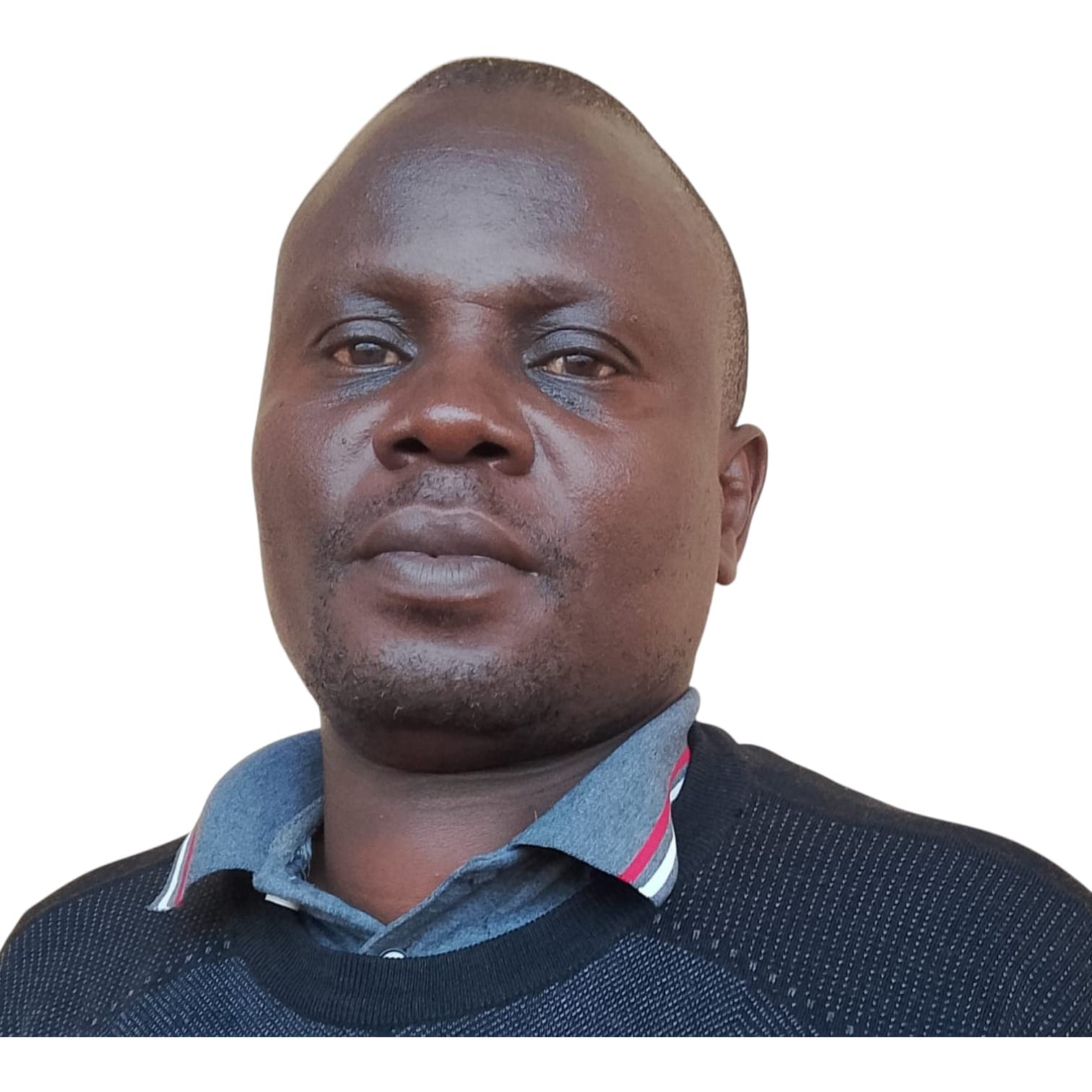
Geoffrey Wanga
Accountant (CPA-K)
Ensuring radical financial transparency, rigorous audit compliance, and lean resource management.

Wenslaus Juma
Monitoring & Evaluation Officer
Data-driven impact analysis, socio-economic modeling, and ensuring all projects meet UN SDG reporting standards.

Connie Masoso
Resource Mobilization & Fundraising Officer
Fundraising specialist with over three years of experience in strategic partnerships, donor relations, and proposal development to drive institutional growth.

Ajwang’ Mary
Administrative Officer
Strategic professional overseeing office workflows, HR, and centralized record systems to ensure operational efficiency.

Hassan Adan
IT & Digital Infrastructure Manager
Manages CESUD's digital platforms and technical architecture, empowering the organization to share its story and connect with global partners.

Asman Mulisia
Project Officer for OVC & Social Advocacy
Social development professional specializing in child protection, community-led resilience, and transitioning vulnerable children from dependency to self-reliance.
Wycliff Odongo
Project Officer - Climate Change, Waste Management & Food Security
Focuses on climate adaptation strategies, Circular Economy models (3Rs), and biodiversity stewardship.

Moureen Aluko
CESUD Social Worker and Community Health Officer
Over 5 years of experience in child protection and case management, leading advocacy campaigns against early marriage and gender-based violence.

Magret Mung'ao
CESUD Social Worker and Community Health Officer
Seasoned social worker and educator with a decade of experience designing health awareness campaigns and mentoring marginalized populations.

Michael Otando Maindi
Field Officer – Climate Change, Waste Management & Food Security
Agricultural professional and technical trainer with a decade of experience in soil rehabilitation, climate resilience, and livestock production.

Mourice Otunga
Field Officer – Climate Change, Waste Management & Food Security
Bringing over 15 years of experience to spearhead climate-smart agriculture and circular economy "waste-to-wealth" initiatives.
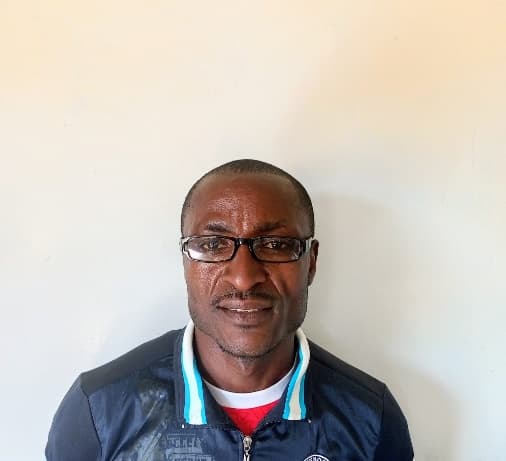
Philip Omukono Nelima
Field Supervisor
Agribusiness development expert blending ecological sustainability with commercial profitability.
Community Social Workers & Volunteers
Grassroots Implementation Team
Direct case management, household-level interventions, vulnerable youth tracking, and community-led mobilization across Kakamega county.
Institutional Policies & Compliance
Child Protection & Safeguarding Policy
A "Zero Tolerance" policy for any form of abuse or exploitation. All staff, clinical partners, and volunteers must undergo mandatory background vetting before working with orphans, vulnerable children, and teen mothers.
Adolescent Safeguarding & Data Privacy Protocol
In strict accordance with global health and social work frameworks, CESUD maintains absolute anonymity and confidentiality across all teen mother registries, case files, and reproductive health tracking data.
Gender Equality & Social Inclusion (GESI)
Beyond just a policy, gender equity is core to our mission. We ensure a minimum of 60% female representation in our training programs and leadership structures, prioritizing the voices of vulnerable women and young mothers.
Environmental Waste & Climate Stewardship Policy
We commit to "Do No Harm" to the environment. All agricultural interventions must prioritize soil health and Zero-Waste principles, transforming organic waste into bio-fertility while actively discouraging single-use plastics.
Anti-Corruption & Transparency Policy
Formed and tested during our multi-million-shilling GIZ partnership, this policy ensures that every single shilling—whether from an institutional donor or a local well-wisher—is tracked by rigorous financial controls and used strictly for its intended field impact.
Financial Stewardship & Investment Opportunity
CESUD is not a "start-up" seeking a handout; we are a fully operational engine currently sustained by local sacrifice and community passion. Our ability to sustain impact for over six years without external funding is a testament to our lean operations, deep community roots, and operational efficiency.
All funds are managed by our Accountant, with annual internal reviews. By partnering with CESUD, a donor is investing in a highly integrated, holistic ecosystem where waste from the school kitchen feeds the soil, the soil feeds the nutrition garden, the garden provides food security for children, and the child stays in school to lead tomorrow.